Electrical faults can start small but quickly lead to shocks, system failures, or even fires. Many Reservoir homes, especially older ones, have wiring that no longer meets modern safety standards. Knowing what issues to look for and how to prevent them helps protect your home and your family from serious risks.
Frequent Electrical Issues In Homes
Home electrical systems wear out over time, and even new properties can develop faults. These are some of the problems most often found during inspections in Reservoir homes.
Faulty Or Aged Wiring
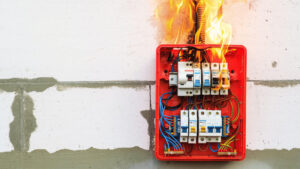
Old or poorly installed wiring is one of the biggest causes of electrical hazards. It often leads to flickering lights, power loss, or a burning smell near outlets. Loose connections behind walls can also create heat build-up that increases fire risk. Regular inspections and maintenance checks are the most effective way to identify faults before they become dangerous.
Overloaded Circuits And Tripping Breakers
Plugging multiple high-load devices into the same outlet can easily overload a circuit. This causes breakers to trip and, in some cases, can melt plugs or wiring. Avoid using chained power boards and have extra outlets installed to spread the load evenly. If trips happen regularly, it may be time to upgrade your switchboard.
Voltage Surges And Power Fluctuations
Sudden spikes in power from storms, wiring faults, or failing appliances can damage fridges, TVs, and computers. Installing surge protectors on sensitive electronics or a whole home surge protection system offers the best long-term defence.
Flickering Or Dimming Lights
Occasional flickering can be caused by a loose bulb, but persistent dimming usually signals a wiring or switchboard issue. If the problem affects several lights or rooms, a licensed electrician should test the circuits to locate the fault.
Ground Faults And Exposed Wiring
When current escapes through unintended paths such as water pipes or metal fittings, the result can be electric shock or fire. Exposed wiring, particularly in kitchens, bathrooms, or outdoors, makes this more likely. Installing safety switches or GFCIs cuts power instantly during a fault and adds an essential layer of protection.
Preventing Electrical Hazards At Home
Preventative care is the best way to keep your home safe, efficient, and compliant. A few simple habits make a big difference in reducing electrical risk.
Avoid Overloading Circuits
Spread power hungry appliances across outlets and use power boards with built-in overload protection. If you constantly run out of sockets, consider adding extra outlets or upgrading your system.
Use Surge Protection
Protect valuable electronics by installing surge protectors or having whole-home surge protection fitted at your main switchboard.
Watch For Warning Signs
Buzzing sounds, tripped breakers, flickering lights, or unusually high power bills often indicate an underlying fault. Getting these checked early prevents damage and costly repairs later.
Maintain Appliances And Cables
Inspect cords, plugs, and outlets regularly. Replace frayed or damaged cables immediately and avoid DIY electrical work. Simple upkeep helps reduce power waste and keeps systems running safely.
Book Routine Inspections
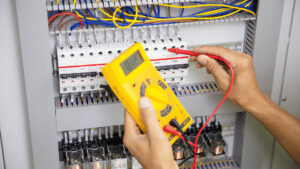
An annual inspection helps detect wiring issues, overloaded circuits, and outdated switchboards before they escalate. Licensed electricians have the tools and experience to identify hazards that aren’t visible to homeowners.
Electrical Support For Reservoir Homes
Electrical faults should never be ignored. What seems minor at first can quickly turn into a serious hazard if left unchecked. Regular inspections, system upgrades, and preventative maintenance are the safest way to protect your home and prevent emergencies.
Forefront Electrical and Communications provides expert diagnostics, maintenance, and fault detection services for Reservoir homeowners. Their qualified electricians help identify issues early, improve system safety, and ensure your electrical setup operates reliably.
Stay ahead of electrical faults and keep your home safe with professional inspection and preventative care from a trusted local team.